Why Material Certification Matters in Precision Machining
The Ayask Steel Engineering Team writes for plant buyers, project engineers, and procurement teams sourcing custom steel components as per drawing. Our perspective comes from 40+ years of manufacturing rolling mill components, replacement parts, and fabricated-and-machined assemblies where fit, function, delivery, and documentation all matter.
- 40+ years of continuous manufacturing operations
- Experience with replacement parts, shutdown support, and project-based industrial manufacturing
- Built-to-print fabrication and machining for OEMs, EPCs, steel plants, and maintenance teams
In the world of industrial manufacturing, "steel" is a vague term. Is it IS 2062 E250? AISI 4140? SS 316L? And even if it claims to be one of these, how do you know for sure?
This is where Material Test Certificates (MTCs) come in. At Ayask Steel, we believe that paperwork is just as important as the metalwork. Here's why material certification is the backbone of reliability.
What is an MTC?
A Material Test Certificate is a document issued by the manufacturer to certify the chemical and mechanical properties of a batch of material. It serves as the DNA report of the steel.
Key Standards: EN 10204
The industry standard for inspection documents is EN 10204.
- Type 2.1: A simple declaration of compliance with the order.
- Type 3.1: The most common for critical industrial parts. Issued by the manufacturer, validated by the manufacturer's authorized inspection representative (independent of manufacturing). It reports specific test results.
- Type 3.2: Validated by both the manufacturer and an independent third-party inspection agency (TPIA) like TUV or DNV.
Why It Matters
1. Confirming Chemical Composition
The percentage of Carbon, Manganese, Chromium, Nickel, Molybdenum, etc., dictates how the steel behaves.
- Example: If a "316 Stainless Steel" shaft has insufficient Molybdenum (< 2.0%), it will fail prematurely in a corrosive chloride environment. An MTC verifies the chemistry.
2. Verifying Mechanical Properties
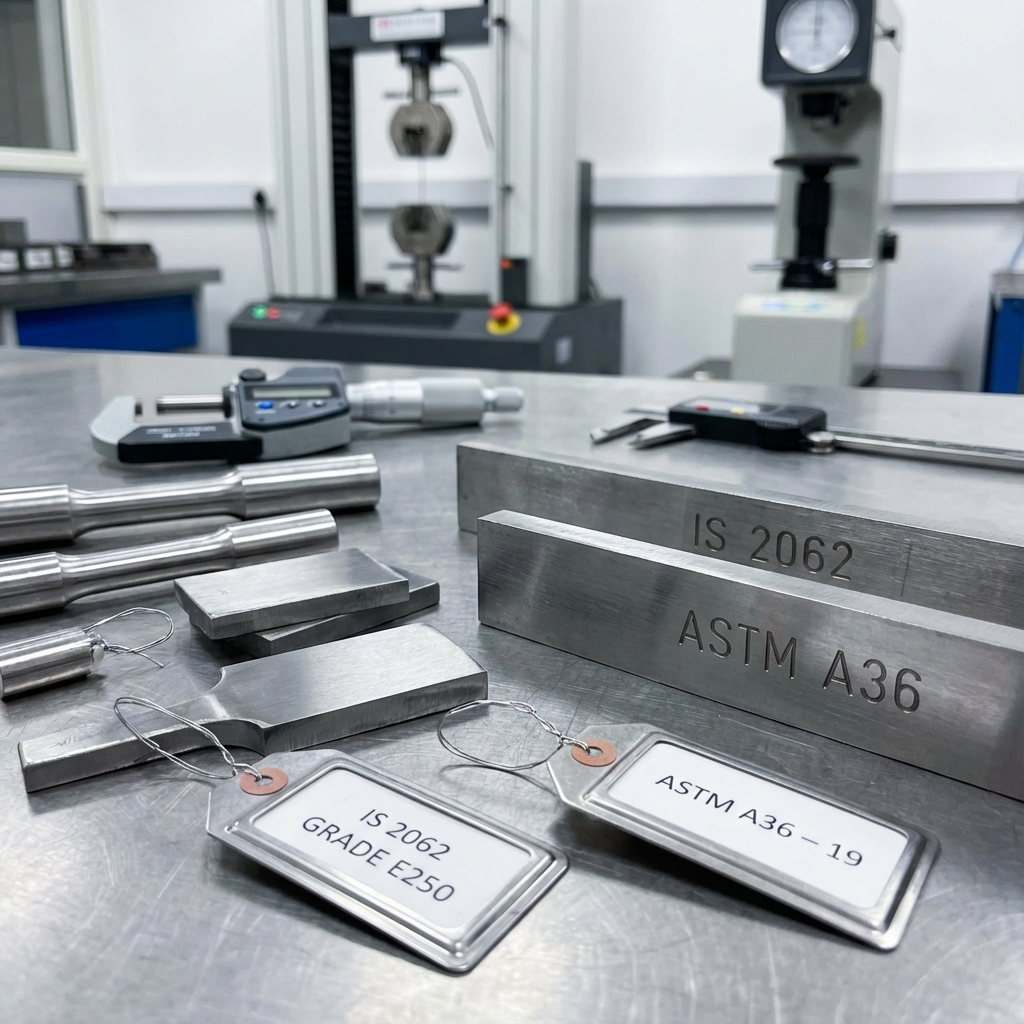
The MTC lists results from destructive testing:
- Yield Strength: When will it permanently deform?
- Tensile Strength: When will it break?
- Hardness: Will it resist wear?
- Impact Value (Charpy): Will it shatter in the cold?
3. Guaranteeing Heat Treatment Response
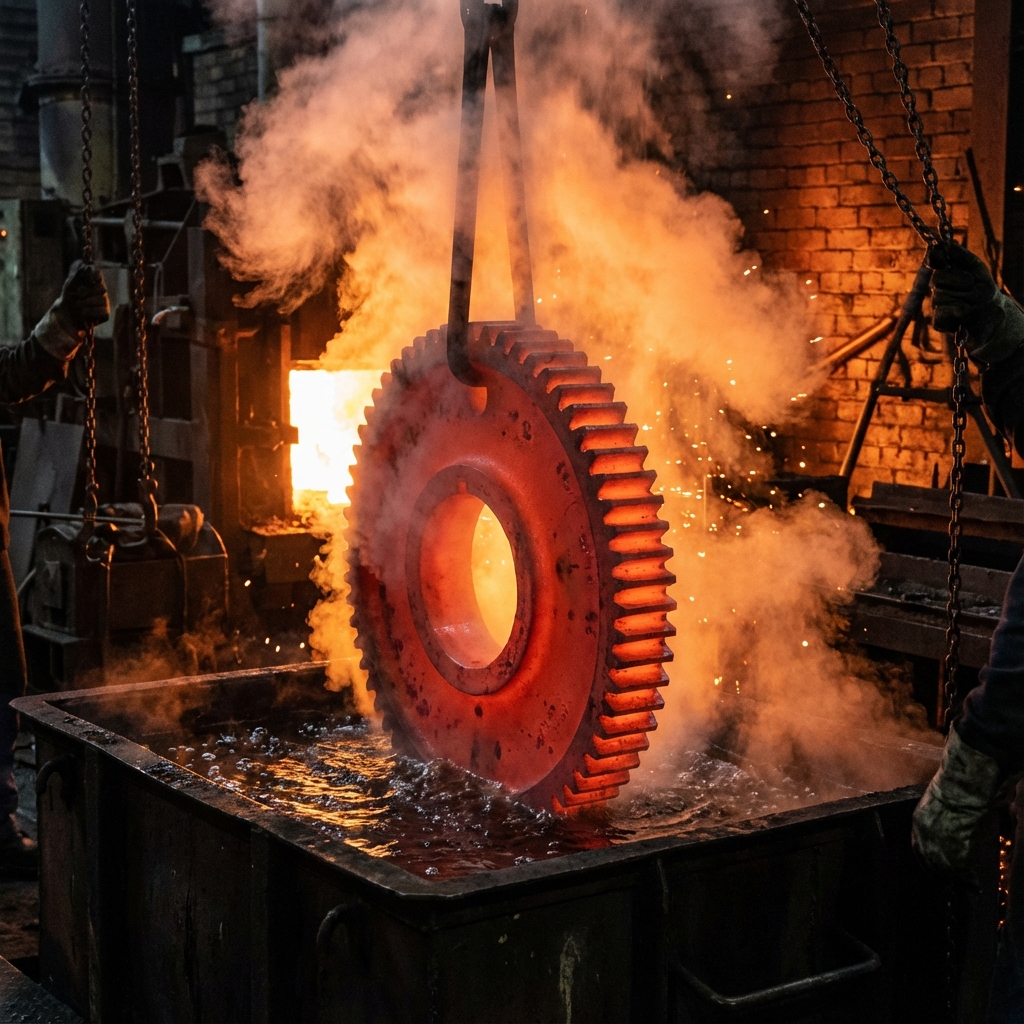
If you plan to heat treat a component (e.g., induction hardening a gear), you need to know the exact carbon and alloy content (Carbon Equivalent) to predict the hardness depth and avoid cracking. Unknown material creates unpredictable results.
4. Traceability and Liability
In critical sectors like power generation or lifting equipment, component failure can be catastrophic. An MTC provides a trail of accountability back to the steel mill's heat number.
The Risk of "Market Material": Buying uncertified steel from local traders often means getting re-rolled scrap or lower-grade substitutes. For critical machinery, "cheap" steel is the most expensive mistake you can make.
The Ayask Promise
We provide full material traceability for every custom manufacturing project.
- Source: We procure only from reputed mills (JSW, SAIL, ArcelorMittal) or authorized distributors.
- Verify: We cross-check the heat number stamped on the raw stock with the MTC.
- Transfer: When we cut or machine the material, we transfer the heat number markings to the machined part (if required) or document it in our fabrication records.
- Deliver: You receive the MTC pack along with your finished components.
Frequently Asked Questions
What is the difference between an Invoice and an MTC?
What is a 'Heat Number'?
Why do I need 3.1 certification specifically?
Can I get an MTC after I have bought the material?
What if the MTC values don't match the standard?
Quality starts with the raw material. Don't compromise on the DNA of your parts.