Theoretical vs. Actual Steel Weight & Mill Tolerances
The Ayask Steel Engineering Team writes for plant buyers, project engineers, and procurement teams sourcing custom steel components as per drawing. Our perspective comes from 40+ years of manufacturing rolling mill components, replacement parts, and fabricated-and-machined assemblies where fit, function, delivery, and documentation all matter.
- 40+ years of continuous manufacturing operations
- Experience with replacement parts, shutdown support, and project-based industrial manufacturing
- Built-to-print fabrication and machining for OEMs, EPCs, steel plants, and maintenance teams
"In the board room, steel weight is calculated by a formula. On the warehouse floor, it's measured by a crane scale. Understanding why these two numbers never perfectly match is the hallmark of an experienced industrial professional."
When ordering structural steel, procurement teams often face a discrepancy: the invoice says 10,000 kg, but the theoretical calculation says 9,850 kg. This 1.5% difference might seem minor, but across large projects, it impacts multi-million dollar budgets. This is the reality of Theoretical vs. Actual Weight.
What is Theoretical Weight?
Theoretical weight is a mathematical abstraction. It assumes that every millimeter of a steel plate or beam is exactly the nominal thickness specified in the catalog and that the density is a perfect constant (usually 7850 kg/m³ for carbon steel).
The Mathematical Ideal
It is used for design calculations, structural modeling, and preliminary cost estimation. It provides a baseline for what a project should weigh.
The Real World: Actual Weight Factors
Actual weight is the "as-measured" weight of the physical material. Several metallurgical and manufacturing factors prevent it from matching the theory:
1. Rolling Tolerances (The Oversize Factor)
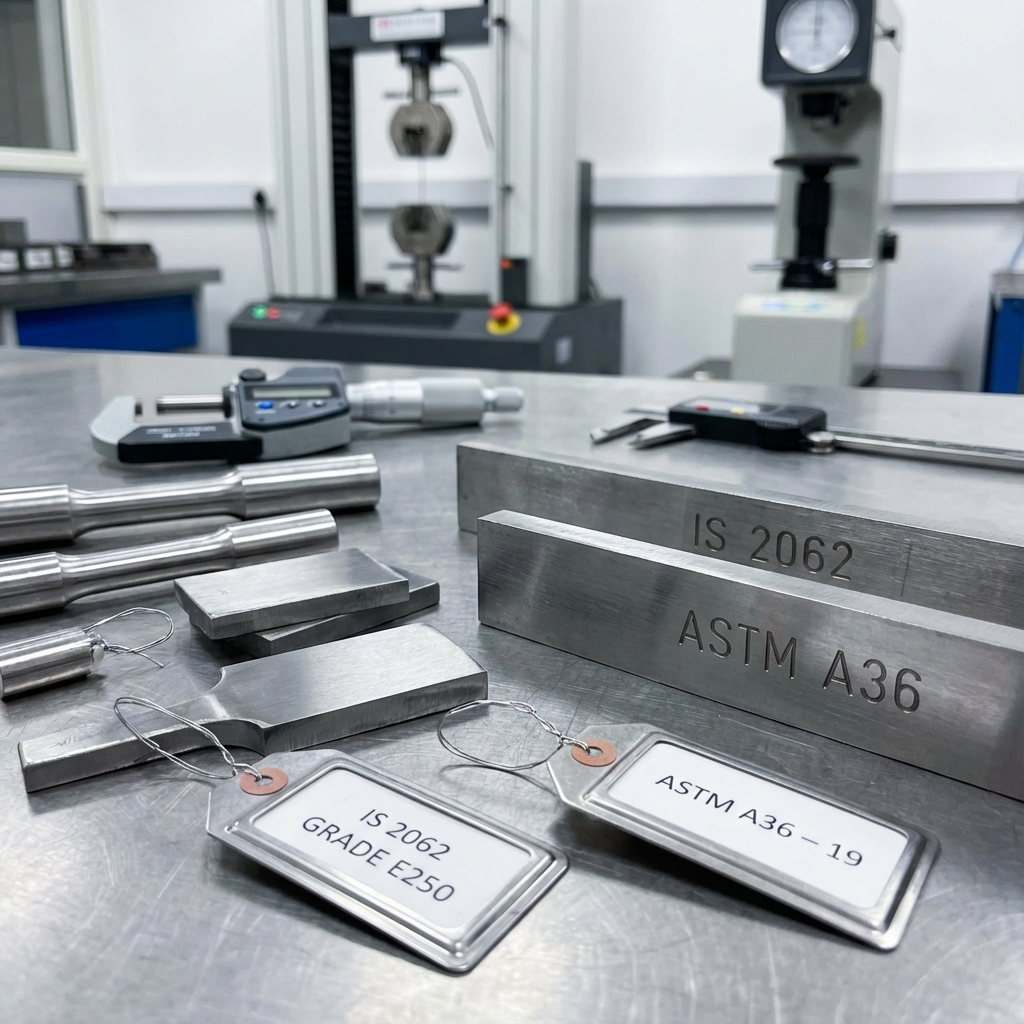
Hot-rolling mills cannot produce materials with zero-micron precision. Standards like IS 1852 or ASTM A6 define permissible "Rolling Tolerances." Often, mills roll slightly on the "plus" side to ensure structural safety, which adds weight.
2. Mill Scale and Oxidation
During hot-rolling, a layer of iron oxide (mill scale) forms on the surface. While very thin, across a 10-meter plate, this scale contributes a measurable mass that isn't included in the theoretical geometry.
3. Chemical Composition Variations
While we use 7,850 kg/m³ as a standard, the actual density of steel varies based on its alloying elements (Carbon, Manganese, Silicon). High-alloy steels can be 1% to 2% denser than pure mild steel.
| Comparison Factor | Theoretical Weight | Actual Weight |
|---|---|---|
| Calculation Basis | Nominal dimensions | Physical weighing |
| Use Case | Design & BOMs | Invoicing & Shipping |
| Accuracy | Idealistic | Precise (but variable) |
Handle Variations with Ease
Our tool allows you to add custom tolerance factors to your calculations, bridging the gap between design theory and warehouse reality.
Frequently Asked Questions
Why does my steel plate weigh more than the calculation?
What density should I use for precise estimation?
Is 'Mill Scale' significant?
How do I account for weight variations in my budget?
Do theoretical weights include holes and cutouts?
Conclusion
Navigating the gap between theoretical and actual steel weight is essential for transparent commerce and engineering excellence. By acknowledging the role of manufacturing tolerances and metallurgical density, project managers can ensure more accurate budgeting and logistics planning.
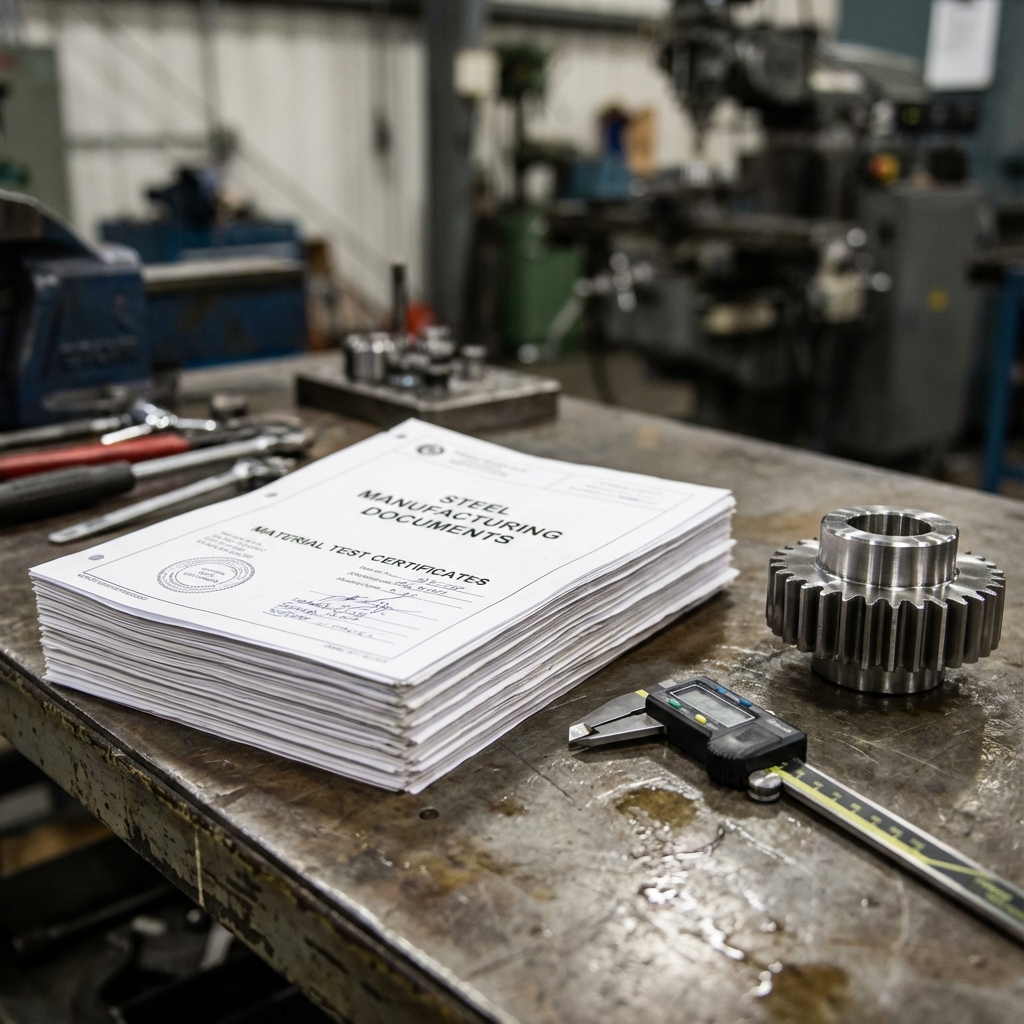
Ayask Steel provides high-precision industrial components with comprehensive material certifications. We ensure that our fabrication tolerances are carefully managed to deliver the reliability your heavy engineering projects demand.